A railway company invented the suburb, then sold you a house in it
Most towns grew and then got a railway. Harrow got a railway that went out into empty fields, bought the fields, gave the result a brand name, and waited.
We spend our working lives on the road layout of north-west London, and Harrow is the part that makes least sense until you know who drew it. The answer is not a council. It is the Metropolitan Railway.
The leftover land
As the Met pushed its line north-west out of London into the fields of Middlesex, it ended up owning a great deal of land it did not need for track. Uniquely among the railway companies, it was allowed to keep and develop that surplus rather than sell it off. The land went to a new company, the Metropolitan Railway Country Estates, which set about turning villages along the line into commuter suburbs.
The word
Around 1915 the railway needed a way to sell the idea, and one of its employees, James Garland, came up with a name for it: Metro-land. “Live in Metro-land” became the slogan. It is one of the most successful pieces of property marketing ever written in this country, and almost nobody knows it was written by a railway clerk.
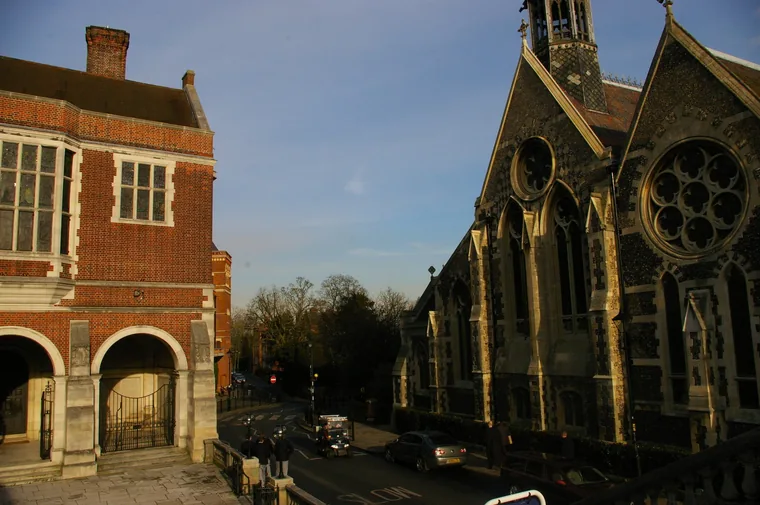
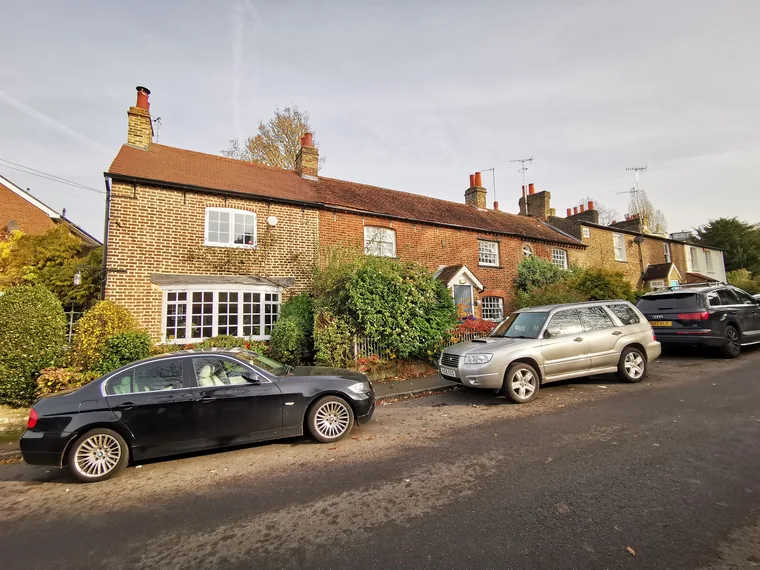
What it sold was a specific picture: a house with a garden, clean air, a golf course somewhere nearby, and a season ticket into town. Harrow, Pinner, Rayners Lane, Wembley Park — the shape of all of them comes from that campaign.
Betjeman
The name might have faded entirely if the Poet Laureate had not gone back to look at it. On 26 February 1973 the BBC broadcast Metro-land, written and narrated by John Betjeman and directed by Edward Mirzoeff, travelling the line and stopping at places including Harrow-on-the-Hill. It is affectionate rather than sneering, which was unusual for 1973 and is the reason people still watch it.
Why a coach firm cares
Because it explains the road network. Metro-land was designed around the railway station, not the car and certainly not the coach. The residential streets curve, they are narrow, and they were never meant to have a 12-metre vehicle turning round in them. Meanwhile the Hill — which predates all of it by several centuries — was laid out for horses.
That is the whole reason this page keeps telling you where we cannot stop. It is not awkwardness. It is a hundred years of somebody else’s planning.
Tell us the address and we will tell you the nearest place a coach can honestly wait. In Harrow that is a more useful answer than it sounds.